SLA 3D Printing.

SLA 3D Printing.

Understanding every step, from design to finished part.

Understanding every step, from design to finished part.

SLA (Stereolithography) 3D printing is a precise, high-resolution additive manufacturing process.

SLA (Stereolithography) 3D printing is a precise, high-resolution additive manufacturing process.

We use SLA machines from the FormLabs ecosystem, but with third party resins, allowing for the highest dimensional accuracy at affordable prices.

We use SLA machines from the FormLabs ecosystem, but with third party resins, allowing for the highest dimensional accuracy at affordable prices.

1. Model selection

1. Model selection

1. Model selection

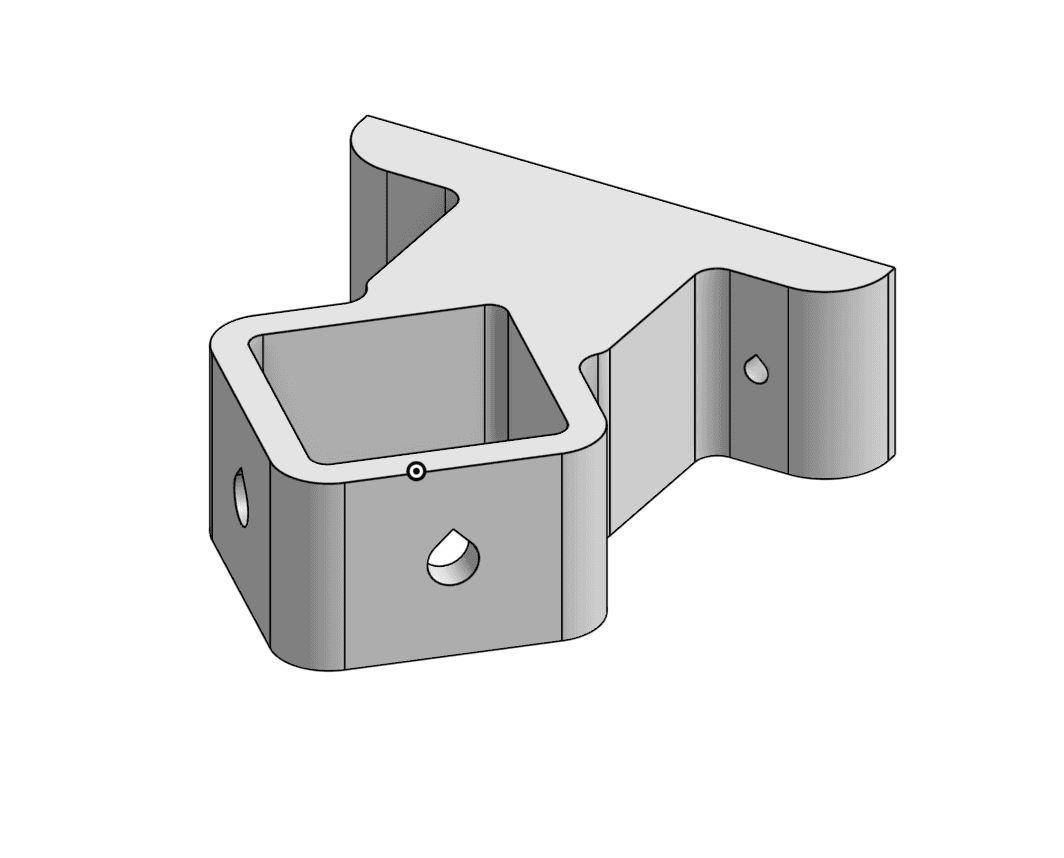
Begin with your 3D model created in CAD software, or obtained elsewhere. Accuracy at this stage ensures the best results.

Begin with your 3D model created in CAD software, or obtained elsewhere. Accuracy at this stage ensures the best results.

Pre-processing

Pre-processing

Pre-processing

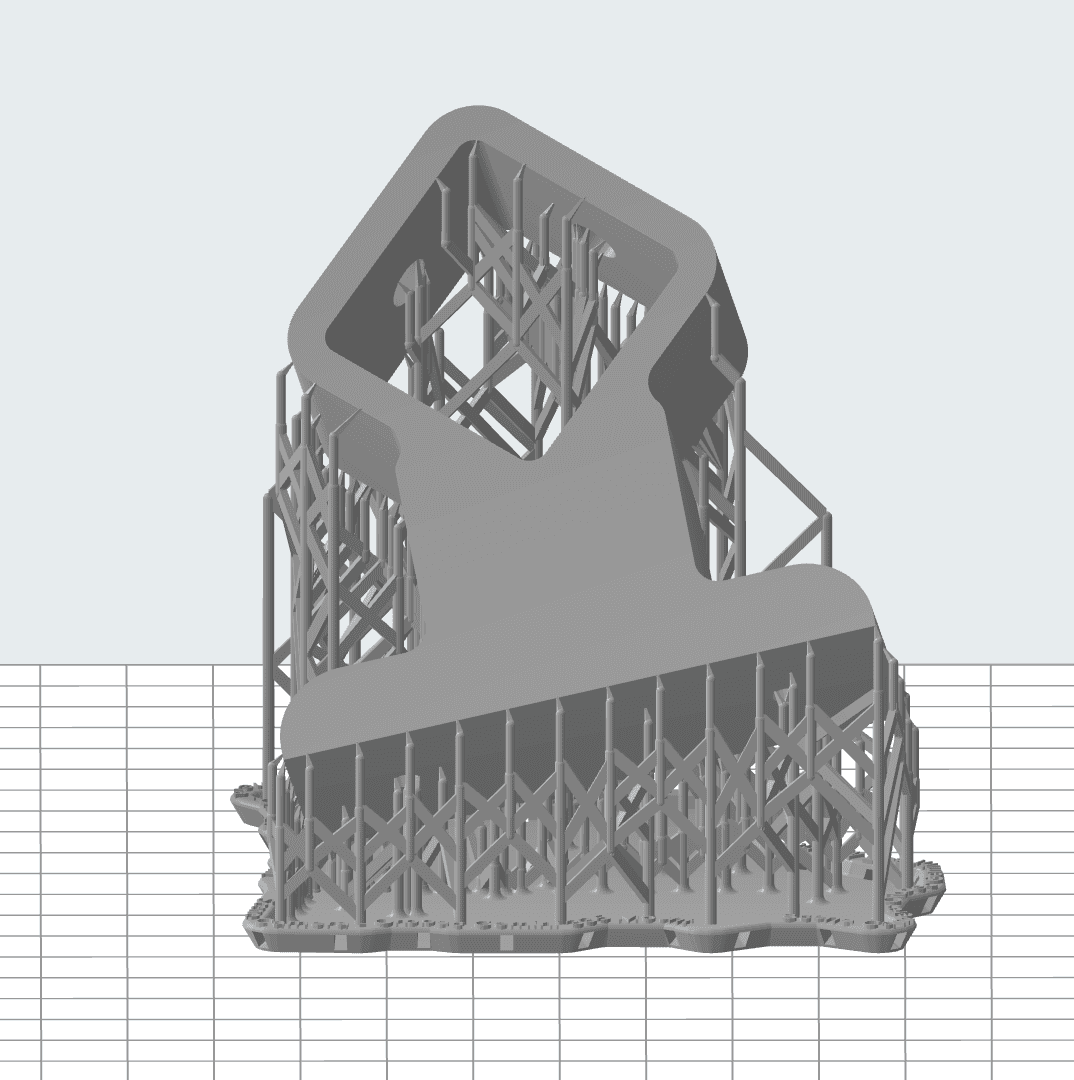
After you upload your file Rectify checks the file for errors, orients the part, and adds supports (optional) automatically.

After you upload your file Rectify checks the file for errors, orients the part, and adds supports (optional) automatically.

3. Printing

3. Printing

3. Printing

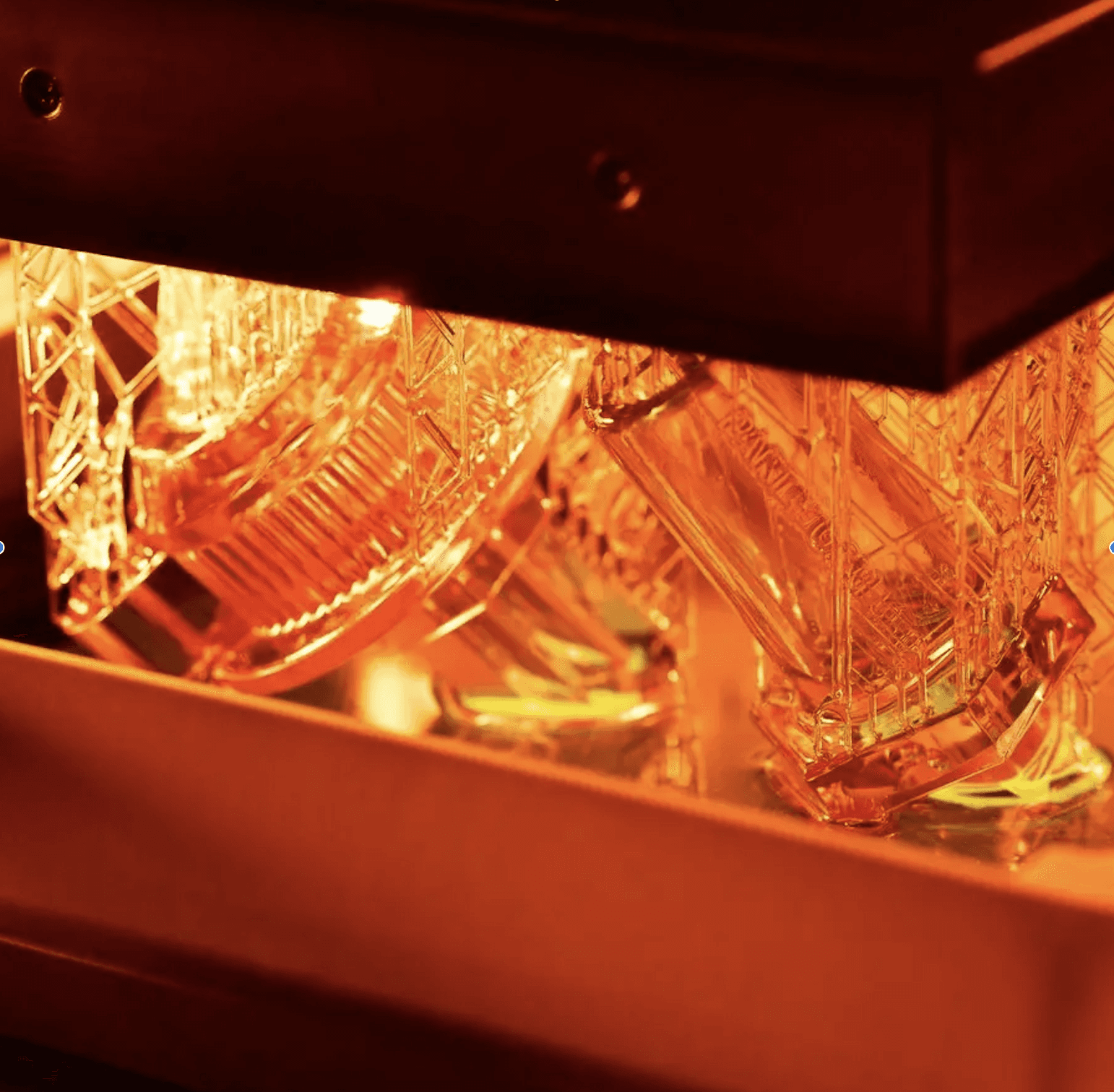
The SLA machine uses a laser to cure liquid resin, building the part layer by layer for fine detail. We support layer heights of 0.05mm by default. This allows us to support fine details and tight tolerances.

The SLA machine uses a laser to cure liquid resin, building the part layer by layer for fine detail. We support layer heights of 0.05mm by default. This allows us to support fine details and tight tolerances.

4. Cleaning.

4. Cleaning.

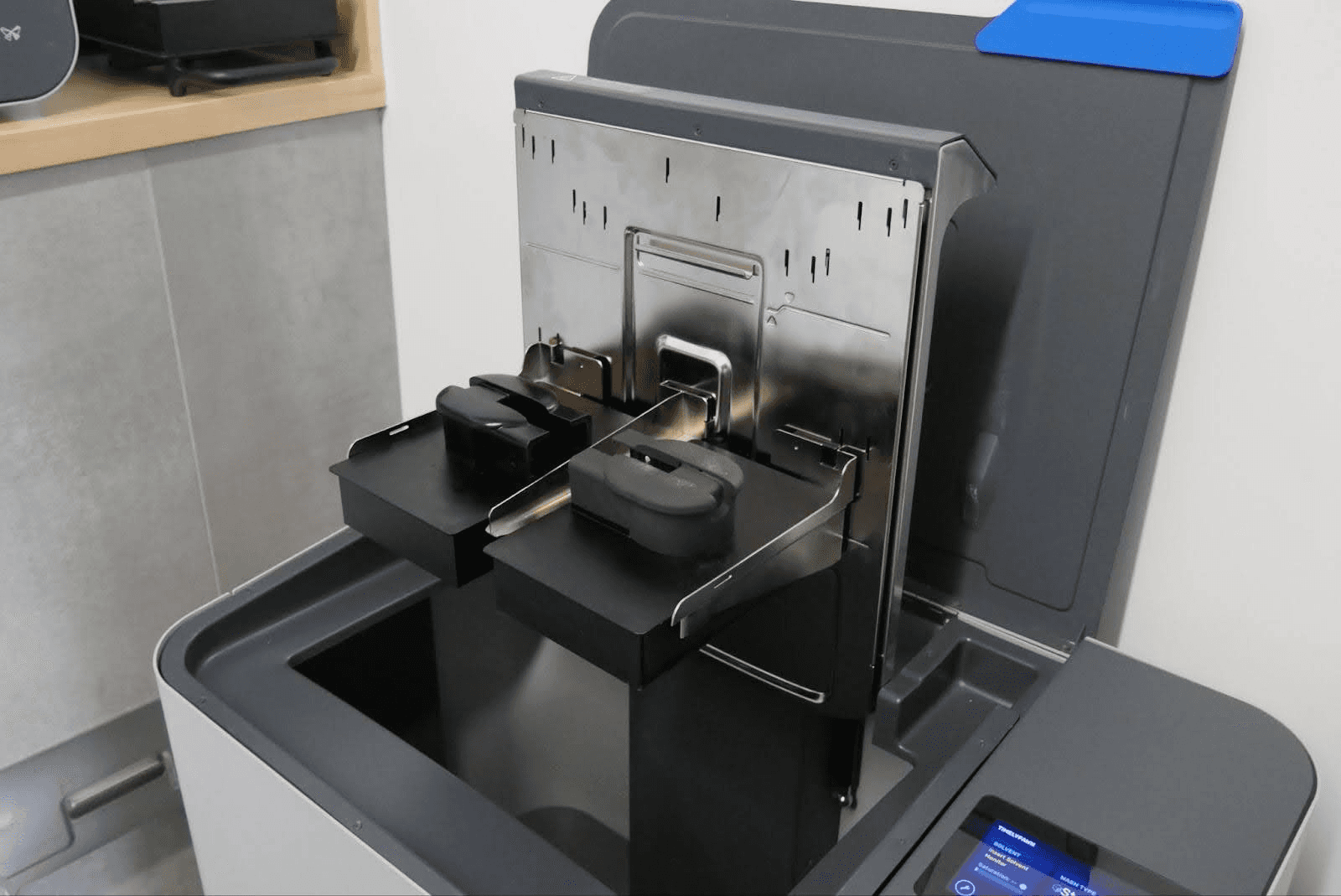
After printing, parts are gently cleaned in 99.9% IPA to remove uncured resin.

After printing, parts are gently cleaned in 99.9% IPA to remove uncured resin.

5. Post-processing.

5. Post-processing.

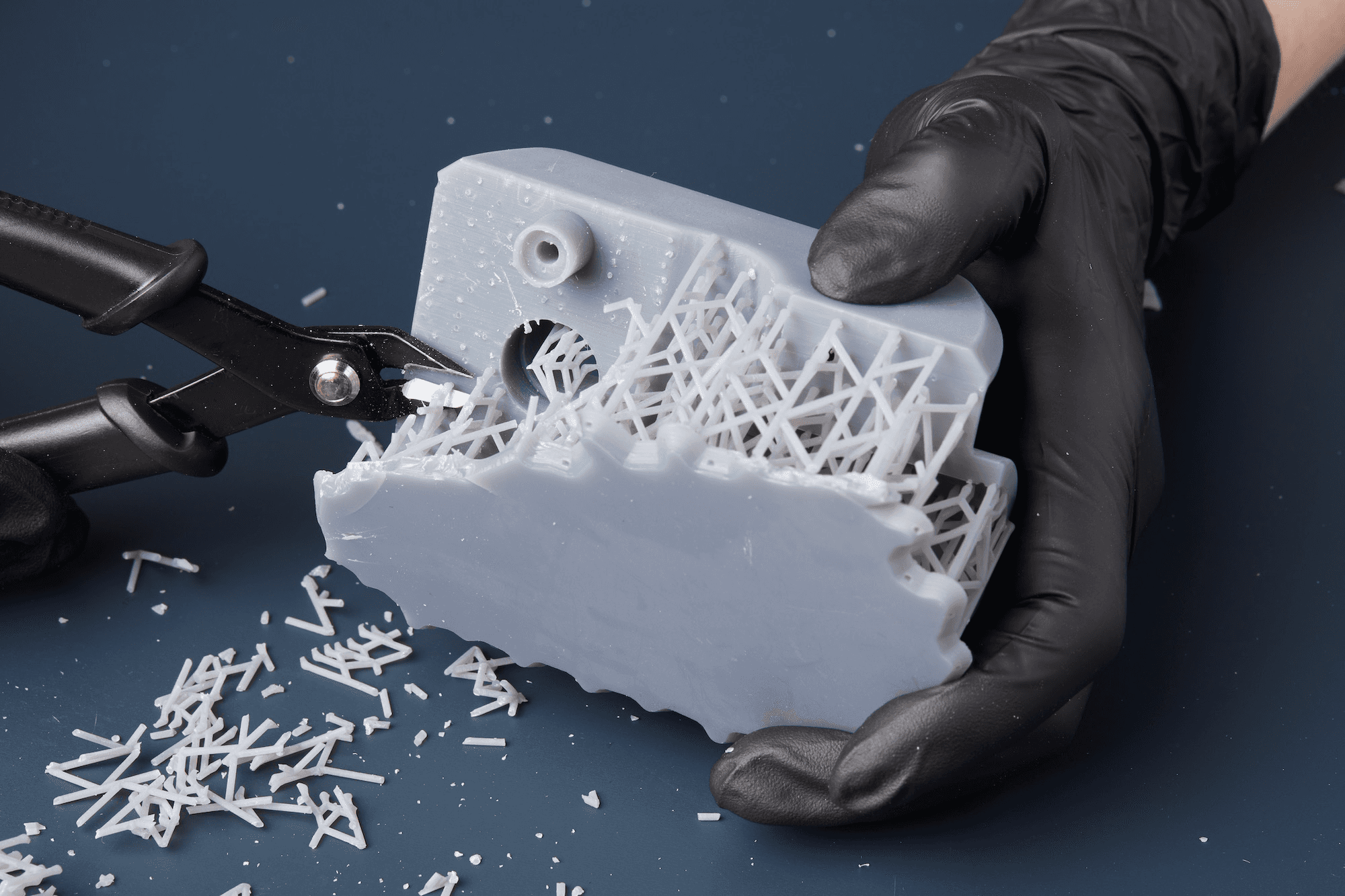
Supports are removed. Parts are deburred, and if necessary some spot sanding may be performed on structural parts.
6. Curing.

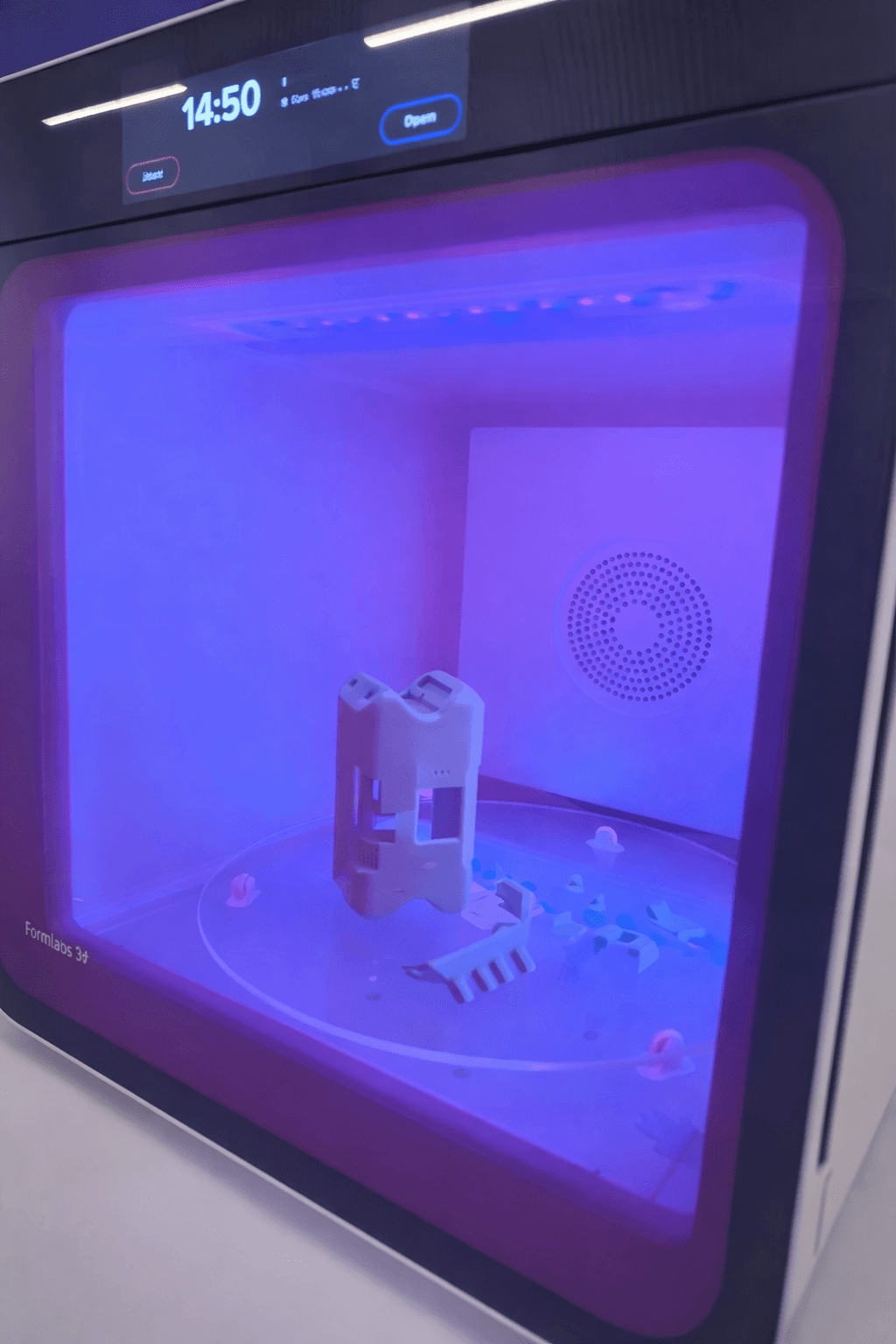
6. Curing.

Parts are further hardened under UV light to achieve their full material properties.

Parts are further hardened under UV light to achieve their full material properties.

What materials can be used in SLA 3D printing?

SLA uses photopolymer resins, available in various options for standard, tough, flexible, or transparent parts.

What is the typical printing resolution?

Layer heights as fine as 25 microns deliver exceptional detail and smooth surface quality.

What tolerances can you support?

1–30 mm features: ±0.15% (lower limit: ±0.02 mm) 31–80 mm features: ±0.3% (lower limit: ±0.06 mm) 81–150 mm features: ±0.3% (lower limit: ±0.15 mm) We recommend a minimum hole or gap size of 0.5mm to prevent fusing.

Learn

SLA Explained

Material Options

3D Printing FAQ

About

Our Company

Contact

Careers